Nothing desirable about the difficulty of ‘productive struggle’
A gradual release of my frustrations

I have a problem. I absolutely love a LinkedIn argument with a constructivist ‘teaching expert’ far more than I should. The rush of dopamine I feel questioning the equity of posing students a question without any prior knowledge created to solve the problem. It’s akin to the rush you feel when a colleague accuses you of not sending an email and then you forward them the original communication. Sometimes on LinkedIn I type my whole comment then do not post it solely because I need the catharsis. Other days I carefully craft responses which are a deliberately set trap like some kind of elaborate educational chess game. Ironically, my spaced retrieval practice of combatting the same arguments has meant I’ve learned the connections between specific comments and their responses.
But enough about how I’m a sociopath.

The most recent argument (at the time of writing, there’s a non-zero chance many will occur between writing and posting) was about the constructivist idea of ‘productive struggle’ leading to strong learning. Productive struggle refers to setting students a problem which they have not been explicitly taught to solve. It often gets contrasted to the explicit teaching idea of desirable difficulties (Bjork, 2011) which is about teachers chunking new learning and then checking for understanding in a way that progressively increases or decreases scaffolds throughout the lesson to meet the students where they are at and then push them incrementally further towards mastery. When suggesting this approach in my recent spirited disagreement I was confronted with the response “desirable difficulty? Desirable for who?” Literally everyone.

A gradual release of responsibility
Let’s put ourselves in the shoes of a student, but as we are all adults let’s imagine tomorrow you’ve been thrown into a new job as an attending physician on a respiratory ward. How would you feel if you walked onto shift and the Chief Attending told you that the first thing you need to do is visit bed 12 and intubate them. No support, no worked example with a think aloud. Just work it out.
That Chief Attending would soon go before an ethics board for breaching the Hippocratic oath and you’d be living with the guilt of whatever unhinged medical procedures you tried to invent before the proper authorities were called.
Then why do so many teachers run their classroom like this?
Do we want the students to feel like they’ve had a lightbulb moment? Absolutely! But we want that to happen by design rather than chance1.
This is where the important of our gradual release of responsibility comes in. We want students to feel safe and supported in their learning, almost like finally letting go when your child is finally balancing on two wheels riding their bike. Will they crash further down the road? Almost certainly, but we won’t be far away to pick them back up and put them back on the right path.
Phase 1: I Do
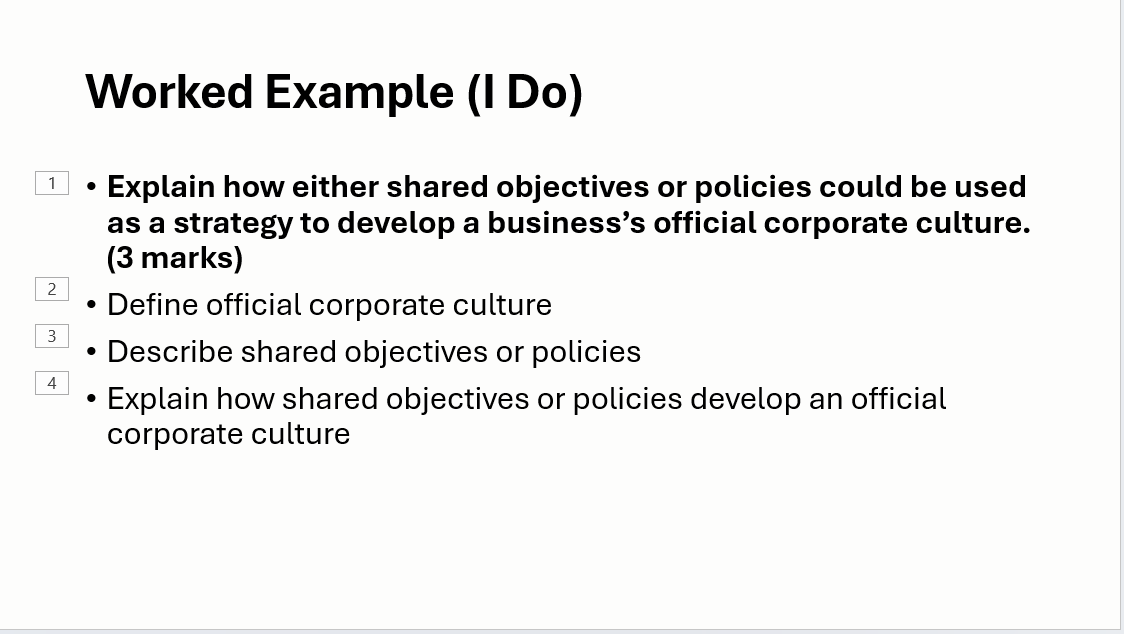
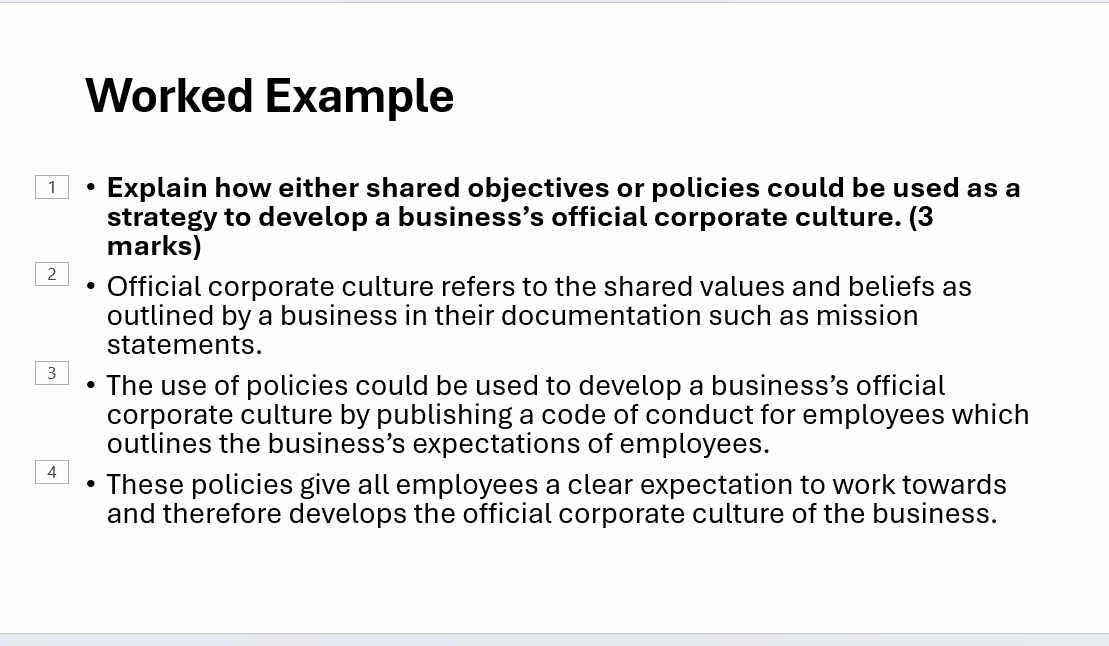
We cannot expect students to do anything without first being provided the core knowledge required in short thoughtfully sequence chunks which are then supported through worked examples and think alouds. This ensures that not only do the students understand the facts, they understand how they interact and apply. This is the desirable difficulty for a novice. It is essentially level 1 of a video game taking you through a tutorial.
Phase 2: We Do
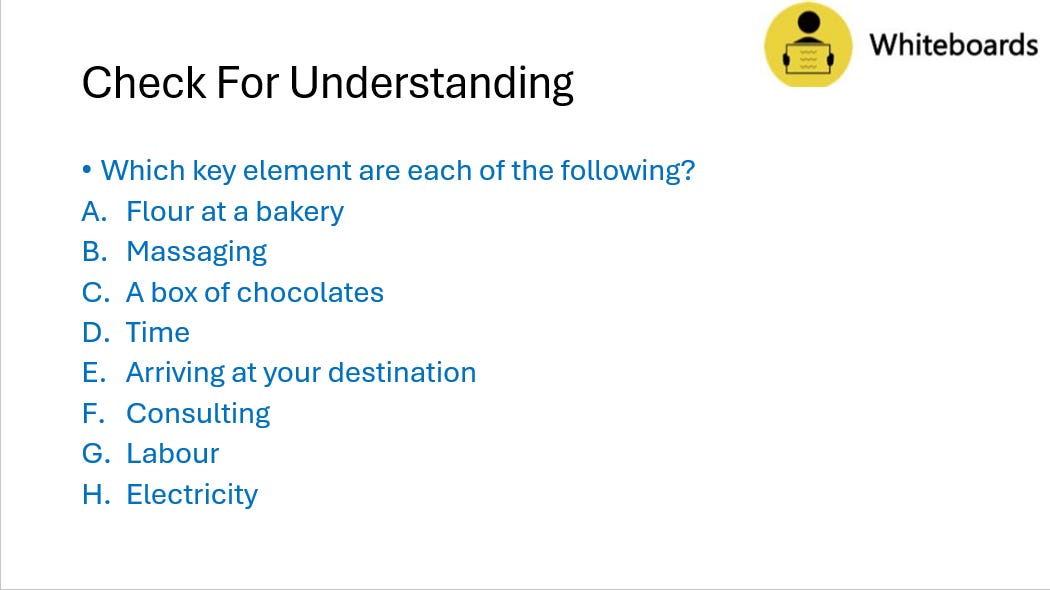
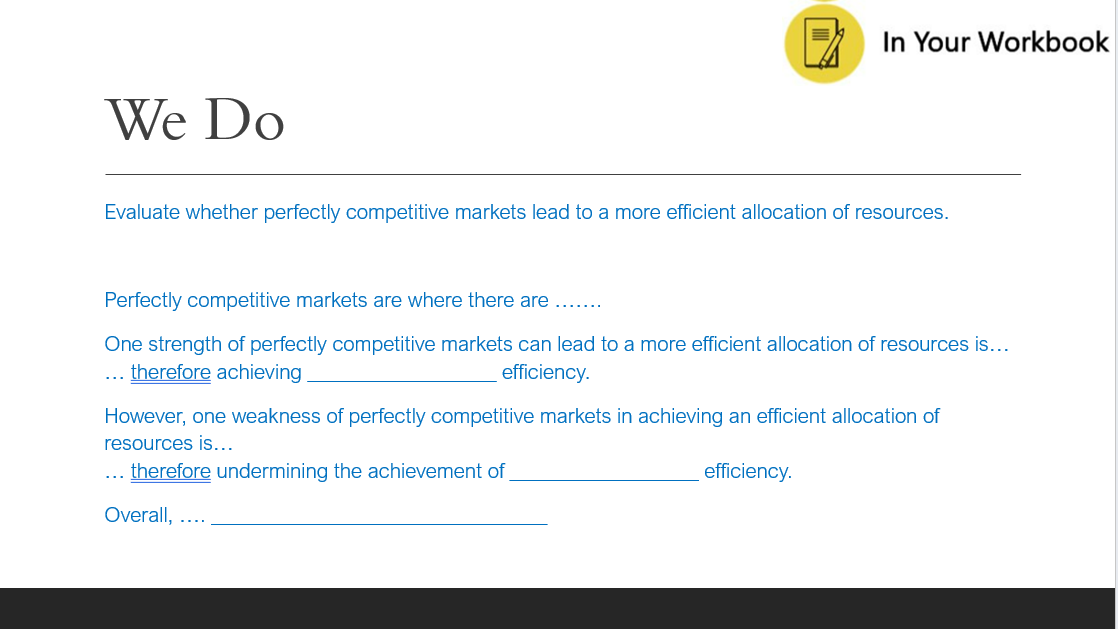
This is where we start to have the students apply their newly attained knowledge but it is still heavily guided and scaffolded. This may involve some of the following strategies to check students understanding:
· Sentence stems/cloze statements
· True/false statements (at least 5)
· Multiple choice questions
· You be the assessor tasks
· Choral response
· Think/pair/share
Using a combination of these strategies and any more in your teaching toolkit can help to diagnose current levels of understand and inform next steps. Is it time to progress to the next level or do we more practice before progressing?
Phase 3: You Do
This is not open slather independent practice. At least not initially. This is giving students an opportunity to put it all together and apply their knowledge and utilize the skills they are expected to demonstrate with that knowledge. We are fading scaffolds almost completely to ask students an assessment style question. This is where if our teaching has gone to plan for the majority of our class, we can pitch the difficulty as high and for the minority that still need support we can provide verbal scaffolds as we circulate the room prioritizing the students of higher need first.
Every student faces the difficulty they are currently capable of based on the constant formative assessment of the teacher all throughout the process. The difficulty is desirable for every student.

The process doesn’t end here though, students are not now masters of their domain who will remain independent forever (for we cannot mistake performance for learning) and therefore we may occasionally have to turn the difficulty back to the ‘we do’ phase and slowly aim to increase the periods of ‘you do’ overtime where feedback is faded more and more until the student can confidently and fluently show their mastery.2
An even more interesting wrinkle to the ‘you do’ and desirable difficulties is the fact that often we can teach students knowledge of concepts in small isolated silos3, however more often than not, when students are assessed they are expected to combine their knowledge of different concepts together to come to a final answer. Therefore, the highest level of difficult comes from blending knowledge and applying it to unfamiliar contexts.
A swift release of responsibility (the educational rug pull)
Imagine this, you enter a kitchen. In front of you are a series of ingredients and a blowtorch. You’re instructed that you have an order for a crème brûlé and the order needs to be out in an hour. You have no internet access and the recipe isn’t within the only cookbook in the room. Now there’s a non-zero chance that at least one person reading this is a whiz in the kitchen and is feeling smug that they could nail this challenge, but for the rest of us we would probably end up crying in a corner surrounded by eggshells. In this instance the proof is not in the pudding.
It is the exact same for our students, especially our most vulnerable students with additional needs. If you do not already have the cognitive resources to solve the problems presented to you, you’re set up to fail or worse, learn the wrong thing which is even more difficult to correct. This is a recipe for student disengagement and a pathway to even greater disparity between our most and least advantaged students.
This is the idea of productive struggle.
Not only is it not equitable or inclusive. It isn’t teaching.
Recently, there has been a groundswell of popularity for the “Building Thinking Classrooms”4 movement where students are in classrooms with vertical whiteboards on the walls and work in groups to solve problems set by the teacher with minimal guidance. Not only does this lead to social loafing occurring as group members coast off of the efforts of their more engaged peers. It also wastes precious class time of which we are already struggle to use enough of.
When the idea is bandied about it seems to expect that letting students struggle to find the solution to a novel problem will build resilience, but resilience is built by having the tools required to face a problem and strategies to overcome it.
Knowledge builds resilience.
Knowledge builds creativity.
Knowledge builds confidence.
You don’t know, what you don’t know.
David Didau and Paul Kirschner have recently had great posts on this:
Carl Hendrick covers this phenomenon perfectly on The Learning Dispatch
Caiti Wade and Greg Ashman just released an excellent episode of their Podcast ‘When We They Learn’ which covers this exact topic in great detail.